
A full head of shining, healthy hair is one of the classical marks of beauty, and reflects a person’s overall health and a balanced lifestyle. For many of us, the dark hair we’ve inherited also reflects our Sri Lankan identity. In this article, let’s look at the hair problems Sri Lankans living in New Zealand commonly experience, and their solutions.
Hair in Ayurveda and Modern Science
In Ayurveda, hair is considered a byproduct of bone tissue (asthi dhatu), formed from the earth and space elements. The three doshas determine the quality of the hair: vata (controls dryness and brittleness), pitta (maintains luster, colour, and metabolism), and kapha (provides moisture, thickness, and resilience).
When vata is aggravated, the scalp becomes dry and rough, and hair breaks and falls prematurely. When pitta is aggravated, the scalp may feel hot or inflamed, and hair can turn grey or lose its colour. When kapha is aggravated, there may be itching, excess oiliness, and various fungal infections.
In modern science, hair is a structure made of a protein called keratin, made up of three parts: the root (the part under the skin, in the follicle), the bulb (the base of the root, where hair grows), and the shaft (the visible part above the skin). Hair growth happens in three phases — anagen (the growth phase), catagen (the transition phase), and telogen (the resting/shedding phase). Hair grows around one centimetre a month, and it’s completely normal to naturally shed anywhere from 50 to 100 hairs a day.
Causes of Hair-Related Problems
For Sri Lankan migrants, moving from a hot, humid climate to New Zealand’s drier, colder climate — along with differences in water composition and frequent use of hot water on the scalp — can dry out the scalp and weaken hair roots, leading to hair loss. A shift away from a nutritious, balanced diet toward fast food, a busy lifestyle and mental stress, and the various products, styling, colouring, and heat applied to hair, all directly damage hair as well.
If hair problems arise from hereditary causes, hormonal imbalances, medications, dandruff, scalp psoriasis, fungal infections, or alopecia areata, medical advice should be sought as soon as possible. The internal and external approaches below relate specifically to premature hair loss and greying.
Internal Care
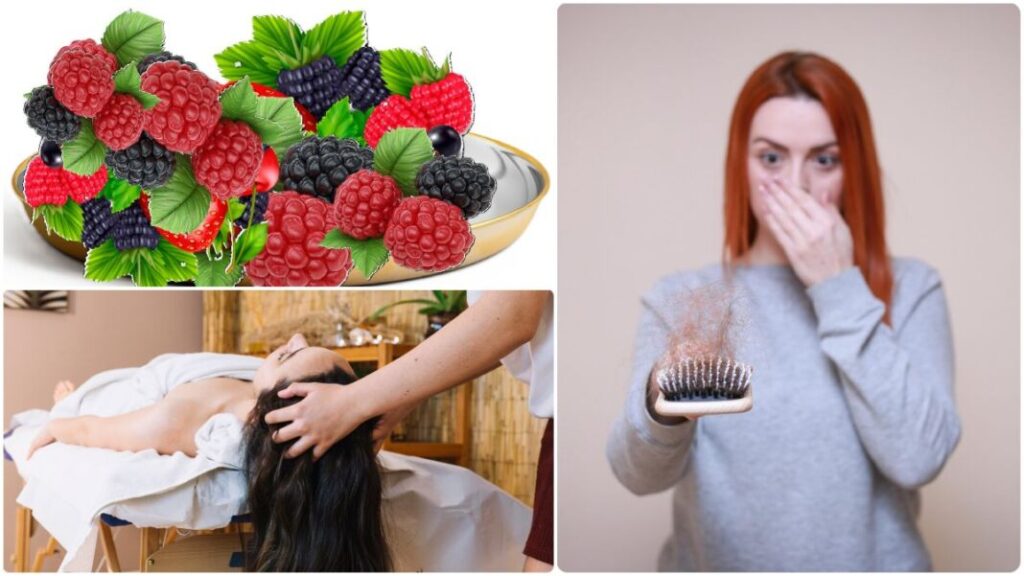
A nutritious diet rich in the vitamins and minerals hair growth needs, along with adequate water intake, is very important for the health of your hair. Among grains, sesame holds a special place, alongside maize, cowpea, and finger millet (kurakkan). Among fruits, avocado, citrus, kiwifruit, banana, and berries are important for hair growth, and leafy greens like spinach, silverbeet, fenugreek leaves, and gotu kola — all available in New Zealand supermarkets — are valuable too. For vitamin B-12 and protein, fish such as salmon and tuna, along with chicken and beef, are useful, and coconut oil or sesame oil are good choices for cooking.
External Care
Getting adequate sleep, wearing head covering to avoid exposure to cold wind and strong sun, using lukewarm water when bathing, avoiding bathing in the evening, and not using hair dryers, are all important. Bathing in the evening can aggravate kapha and lead to sinus congestion, and hair dryers dry out the scalp, weakening hair roots and causing hair loss. When styling your hair, use good-quality products and a responsible salon, and comb your hair well daily with a suitable comb. Washing your hair two or three times a week is enough — washing daily isn’t recommended, since it strips the natural oils from the hair and leaves the scalp dry.
Just as with our skin, exfoliating the scalp with a herbal powder massage to remove dead skin is important — it improves blood supply to the hair roots, allows better aeration, and supports new hair growth. A paste of green gram flour mixed with lime juice can be applied to the scalp, left for about twenty minutes, and gently massaged off with the same paste. A pack made from neem and moringa leaves, ground with turmeric, can also help with minor scalp infections.
Oil massage is very important for nourishing the hair — massaging the scalp at least twice a week with coconut oil infused with curry leaves, fenugreek, black cumin, and shallots is worthwhile. Many Ayurvedic hair oils are available to buy, but it’s best to seek medical advice first, since Ayurveda is a science based on the three doshas and individual constitution — an oil suited to one person could aggravate kapha in another and cause a different condition.
Ayurveda also describes Shirodhara and Nasya as excellent treatments for hair-related problems.
This article was originally written in Sinhala for SriLankaNZ — read the original at https://www.srilankanz.co.nz/health/hair-problems-and-ayurvedic-solutions-for-sri-lankans-in-new-zealand. The English translation above aims to represent the original faithfully — as with any translation of health-related content, if anything reads differently from what was intended, please get in touch via WhatsApp and we’ll correct it. The original Sinhala text is included in full below.
මුල් ලිපිය (සිංහලෙන්) — Read the Original Article in Sinhala
කේශ කල්යාණය, පංච කල්යාණයේ තවත් සුවිශේෂී අංගයකි. දිදුලන නිරෝගී කෙස් කලඹක් යනු පුද්ගලයෙකුගේ නිරෝගී බාවයේ සහ සමතුලිත ජීවන රටාවක කැඩපතයි. තවදුරටත් අපහට උරුමයෙන් පැමිණි කළු පැහැති හිසකෙස් ලාංකික අනන්යතාවය පිළිබිඹු කරයි. අද ලිපියෙන් නවසීලන්තයේ වෙසෙන ලාංකිකයන්ගේ හිස කෙස්වලට ඇතිවන ගැටලු හා ඒවාට විසඳුම් සලකා බලමු.
ආයුර්වේද හා නවීන විද්යාත්මකව හිස කෙස්
ආයුර්වේදානුකූලව හිස කෙස් යනු අස්ථි ධාතුවේ උප කොටසක් වන අතර පංච භූතයන්ගේ පෘතුවි, ආකාශ භූත සංකලනය වී නිර්මාණය වී ඇත. වාත (controls dryness and brittleness), පිත (maintains luster, colour and metabolism), කඵ (provides moisture, thickness, and resilience) යන ත්රිධාතු හිස කෙස්වල ගුණාත්මකභාවය නිර්ණය කරයි.
වාත කෝප වූ විට හිස්කබල වියළී යාම, රළු වීම, හිස කෙස් කැඩී යාම, අකලට වැටී යාම ද පිත කෝප වූ විට හිස් කබලේ දැවිල්ල, හිස කෙස් සුදු වීම, හිස කෙස් දුර්වර්ණ වීම ද කඵ කෝප වූ විට කැසීම්, තෙල් සහිත බව අධික වීම, විවිධ දිළිර ආසාදනය ඇති විය හැක.
නවීන විද්යාත්මකව හිසකෙස් යනු කෙරටීන් නම් ප්රෝටීනයකින් සෑදී ඇති ව්යුහයක් වන අතර එය කොටස් තුනකින් සමන්විත වේ. Root – part under the skin in the follicle; Bulb – base of the root where hair grows; Shaft – visible part above the skin. එලෙසම හිසකෙස් වර්ධනය අවධීන් තුනකින් (Anagen – the growth phase; Catagen – the transition phase; and Telogen – the resting or shedding phase.) සිදුවන අතරන් මසකට සෙන්ටිමීටර් එකක් පමණ හිස කෙස් වර්ධනය වන අතර පනහක් සීයත් අතර හිස කෙස් ප්රමාණයක් දිනපතා ස්වභාවිකව ගැලවී යයි.
හිස් කෙස් ආශ්රිත ගැටලුවලට හේතු
ශ්රි ලාංකික සංක්රමණිකයන්ට උණුසුම්, තෙත දේශගුණයක සිට නවසීලන්තයේ වියළි, ශීත දේශගුණයකට පැමිණීම, ජලයේ සංයුතිය හා නිරන්තර උණුසුම් ජලය හිසට භාවිතා කිරීම නිසා හිස්කබල වියළී හිස කෙස්වල මූලය දුර්වල වී හිස කෙස් වැටීමට හේතු වේ. තවද පෝෂ්යදායි සමබල ආහාර රටාවෙන් බැහැර වී ක්ෂණික ආහාරවලට හුරුවීම, කාර්යබහුල ජීවන රටාව හා මානසික ආතතිය, හිසට භාවිතා කරන විවිධ නිෂ්පාදන වර්ග, මෝස්තර, විවිධ වර්ණක යෙදීම, අධික තාපය ලබාදීම හිස කෙස්වලට හානි වීමට සෘජුව බලපායි.
පාරම්පරික හේතු, හෝමෝන අසමතුලිතතා, විවිධ ඖෂධ, හිස් සොරි, පොතු කබර, දිලීර ආසාදන, උඳු ගොව්වන් කෑම වැනි රෝග නිසා ඇතිවන හිසකෙස් ආශ්රිත ගැටලු නිරීක්ෂණය කළහොත් හැකි ඉක්මනින් වෛද්ය උපදෙස් ලබා ගත යුතුය. අකලට හිස කෙස් වැටීම සහ සුදු වීම සඳහා පමණක් බාහිර හා අභ්යන්තර ප්රතිකාර පහතින් සඳහන් කර ඇත.
අභ්යන්තර ප්රතිකාර
හිස කෙස් වර්ධනයට අවශ්යය විටමින් හා ඛනිජලවන බහුල පෝෂ්යදායි ආහාර වේලක් ලබා ගැනීම මෙන්ම ප්රමාණවත් ජලය පානය කිරීම කෙස් කළඹේ නීරෝගීතාවයට ඉතා වැදගත් වේ. බඩ ඉරිගු, කවුපි, කුරක්කන් වැනි ධාන්ය වර්ග අතර තල ඉතා සුවිශේෂ තැනක් ගනියි. පළතුරු අතරින් අලිගැට පේර, දොඩම් වර්ග, කිවි, කෙසෙල්, බෙරි වර්ග හිස කෙස් වර්ධනයට වැදගත් වන අතර නිවිති, සිල්ව බීට් කොළ, උළුහාල් කොළ ගොටුකොළ ඔබට නවසීලන්ත වෙළඳපොලේ සොයා ගත හැකියි පලා වර්ගය. අවශ්ය විටමින් B-12 හා ප්රෝටීන ලබාගැනීම සඳහා සැල්මන්, ටූනා වැනි මාළු වර්ග හා කුකුල් මස්, හරක් මස් ආදිය ලබා ගැනීම, ආහාර පිසීම සඳහා පොල්තෙල්, තල තෙල් භාවිතා කිරීම උචිතය.
බාහිර ප්රතිකාර
ප්රමාණවත් නින්දක් ලබා ගැනීම, ශීත සුළඟට හා දැඩි හිරු රස්නයට නිරාවරණය නොවීමට හිස් ආවරණය පැළඳීම හා ස්නානය කරන විට ඇල්මැරුණු ජලය හිසට භාවිතා කිරීම, තවද සවස් කාලයේ ස්නානය නොකිරීම හා හිස වේලීමට dryers භාවිතා නොකිරීමට වග බලා ගත යුතුය. සවස් කල නෑම තුළින් සෙම කෝප වී පීනස් රෝග ඇති වීම හා Hair dryers භාවිතය මගින් හිස්කබල වියළීමට ලක්ව කෙස් මූලයන් බුරුල් වී හිස කෙස් වැටීම ආරම්භ වේ. තවද හිසට යම් විලාසිතාවක් කරන විට ගුණාත්මකභාවයෙන් ඉහළ නිෂ්පාදන භාවිතා කිරීම හා වගකීමක් සහිත සේවා ස්ථානයකින් එය ලබා ගැනීම වැදගත් වන අතර දිනපතා හිස කෙස් හොඳින් පිරීම හා ඒ සඳහා සුදුසු දැති පනාවක් භාවිතා කළ යුතුය. සතියකට දෙවරක් හෝ තුන්වරක් ස්නානය කිරීම ප්රමාණවත් වන අතර දිනපතා ස්නානය ද නුසුදුසුය. එමඟින් හිස කෙස්වල ඇති තෙල් සහිත ස්වභාවය ඉවත් වී හිස්කබල වියලි තත්ත්වයට පත්වේ.
අපගේ සමට මෙන්ම හිස්කබලේත් මැරුණු සම ඉවත් කිරීමට උද්වර්ථන (Herbal powder massage/exfoliating) භාවිතය වැදගත් වන අතරන් එමගින් හිස කෙස් මුලයට අවශ්ය රුධිර සැපයුම වැඩිදියුණු කර හොඳින් වාතාශ්රය ලබා දී ළදරු හිසකෙස් වර්ධනය වීමට ඉඩ සලසයි. මේ සඳහා මුං ඇට පිටි දෙහි ඉස්මෙන් අනා හිස්කබලේ ආලේප කර විනාඩි විස්සක් සිට එම තලපයෙන්ම මෘදු ලෙස අතුල්ලා ඉවත් කිරීම සුදුසුය. කොහොඹ, මුරුංගා කොළ කහ සමග අඹරා pack එකක් ලෙසට හිසට භාවිතා කිරීමෙන් හිස් කබලේ ඇති සුළු ආසාදන තත්වයන් මග හරවා ගත හැක.
තෙල් අභ්යංගය (Ayurvedic Massage) හිස කෙස් පෝෂණයට ඉතා වැදගත් වන හෙයින් පොල්තෙල්වලට කරපිංචා, උළුහාල්, කළුදුරු, රතුළුණු දමා කකාරා සතියකට දෙවරක්වත් හිස සම්භාහනය අත්යාවශ්ය වේ. වෙළඳපොලේ ඔබට බොහෝමයක් ආයුර්වේද තෛල වර්ග කෙස් වර්ධනය සඳහා මිලදී ගැනීමට හැකි වුවත් වෛද්ය උපදෙස් පැතීම යෝග්ය වේ. ආයුර්වේදය ත්රි දෝෂ හා පුද්ගල ප්රකෘතිය මත පදනම් වූ විද්යාවක් නිසා පුද්ගලයකුට සුදුසු තෛලයක් තවත් කෙනෙකුට සෙම් කෝප කර වෙනත් රෝග තත්ත්වයක් ඇති කළ හැක.
තවද ශිරෝධාර හා නස්න හිසකෙස් ආශ්රිත ගැටළුවලට ඉතා උතුම් චිකිත්සාවක් ලෙස ආයුර්වේදය දක්වා ඇත.
ආයුර්වේද වෛද්ය දිලිනි ද සිල්වා – වෙලිංටන්
MSc Health. (Victoria University of Wellington)
BAMS (Hon-Colombo)